
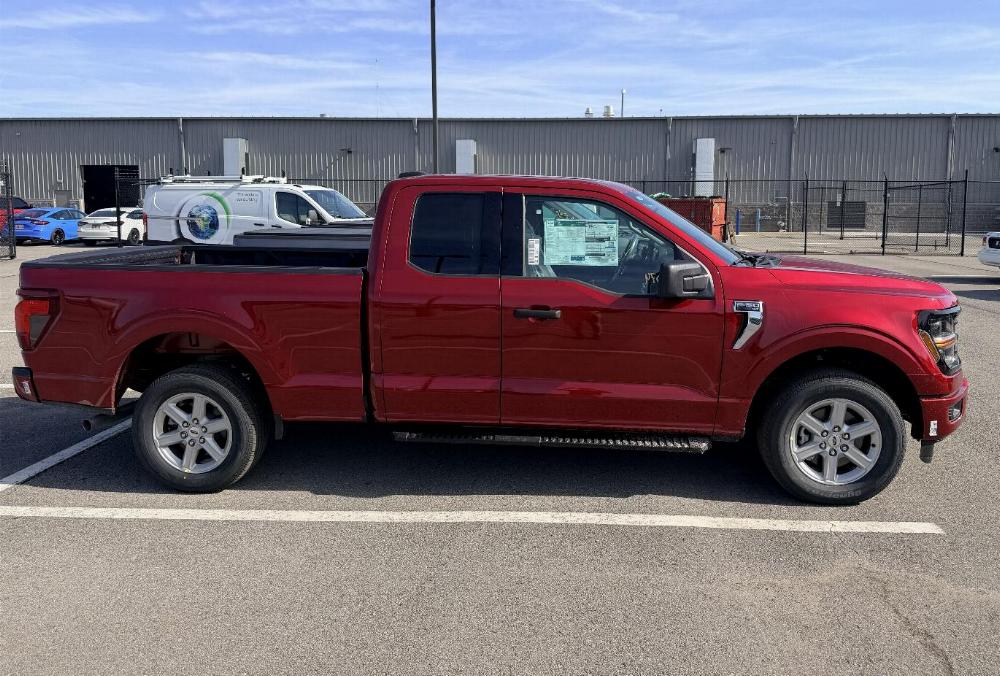
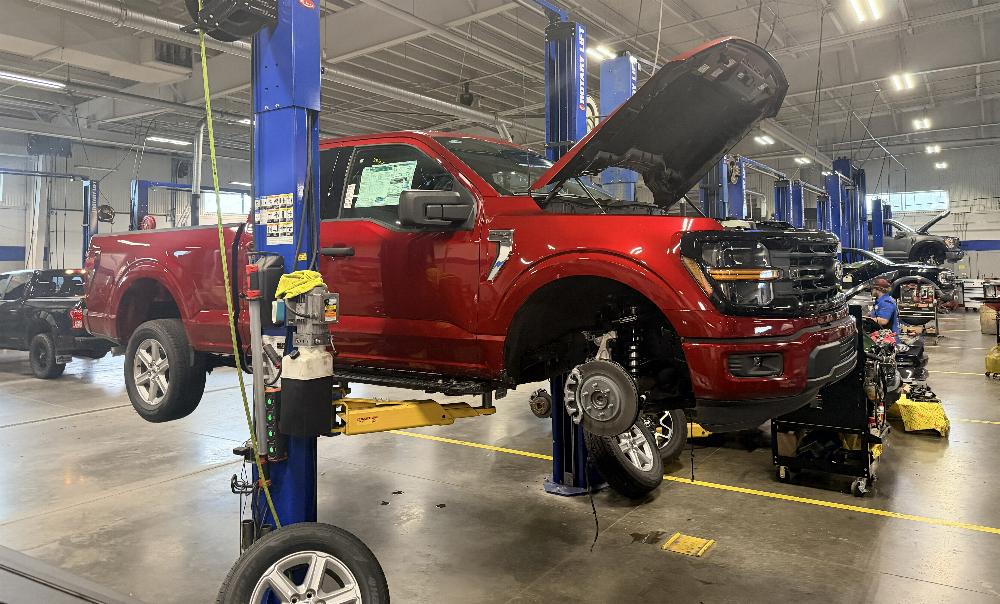
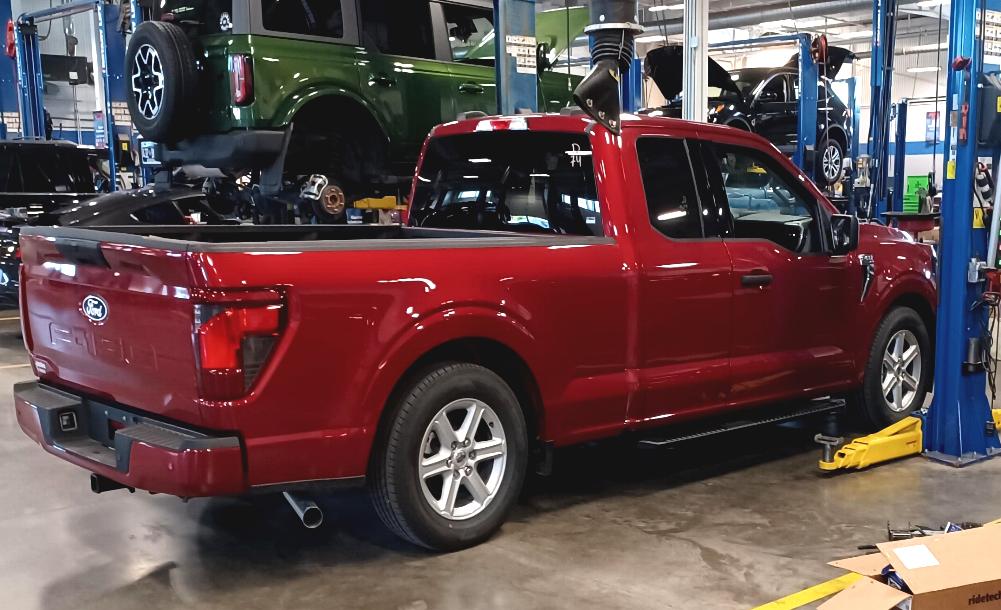
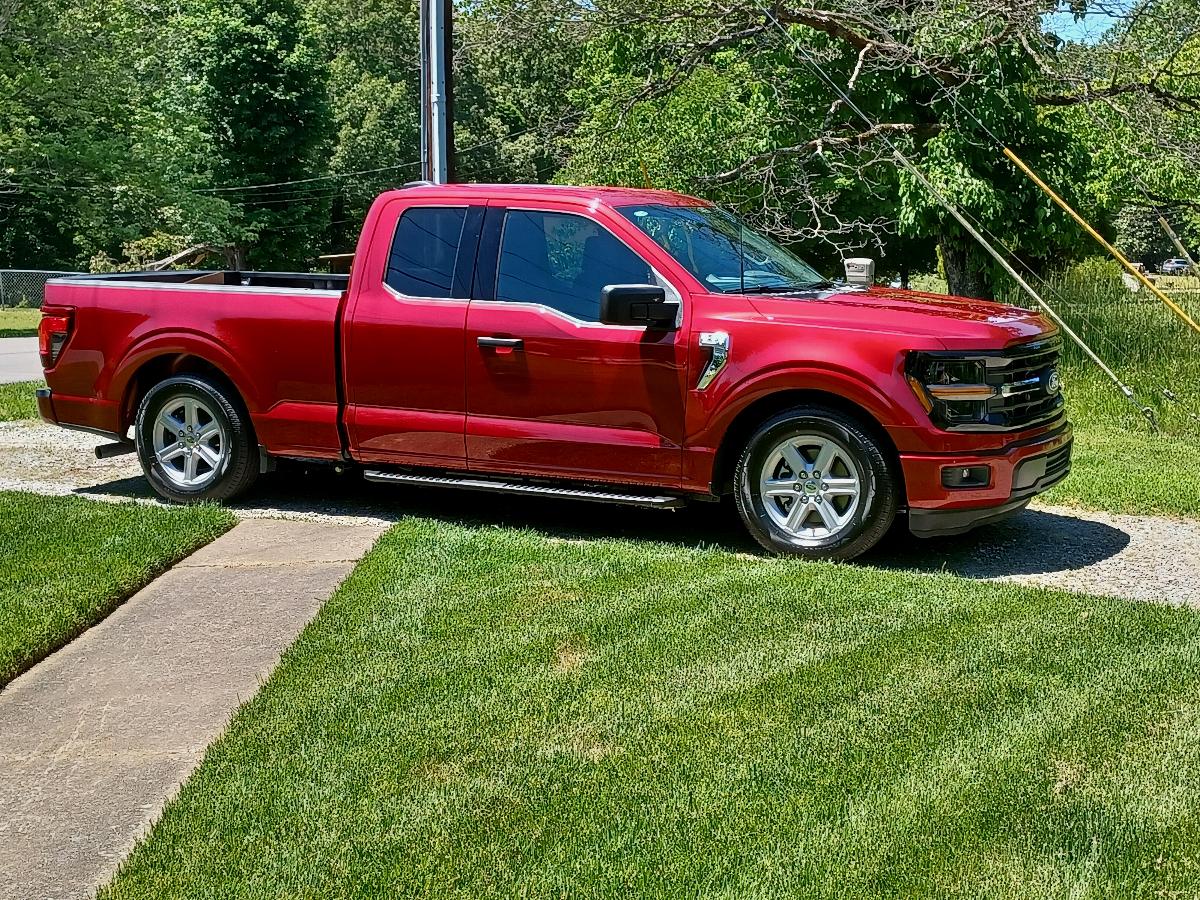
I ordered this early Jan 2026
It was Expected to hit the Assembly Line Mar 16th
but it was pushed back to April 13th. It came off the
line in Kansas on Apr 18th, and was shipped to Tennessee.
April 19, my new truck was delivered to the Dealer.
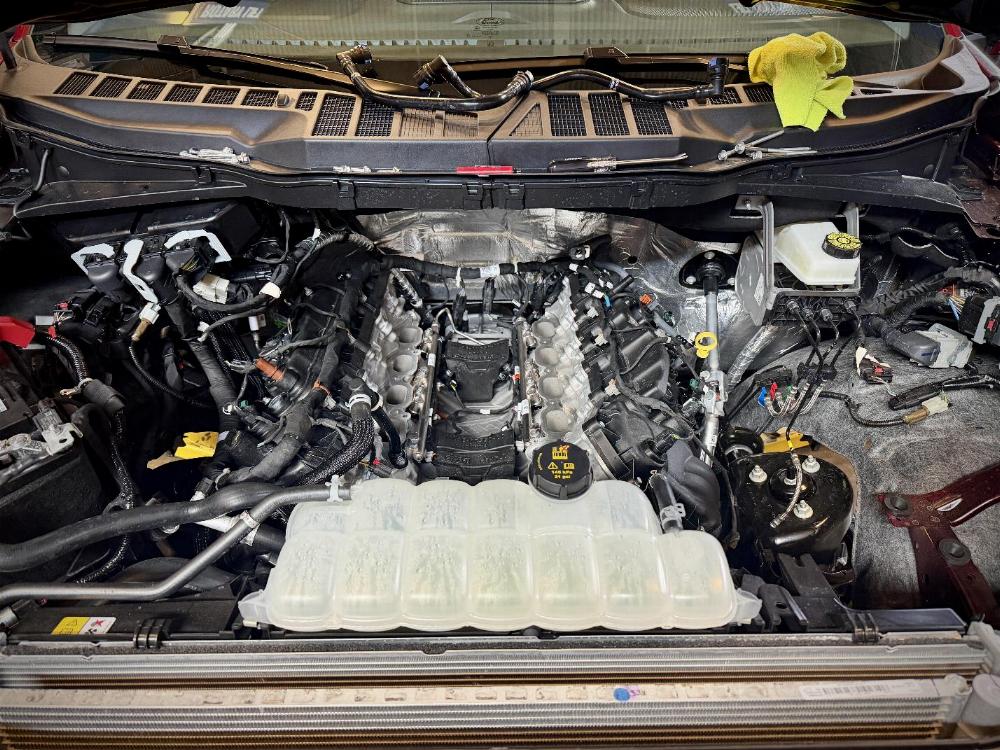
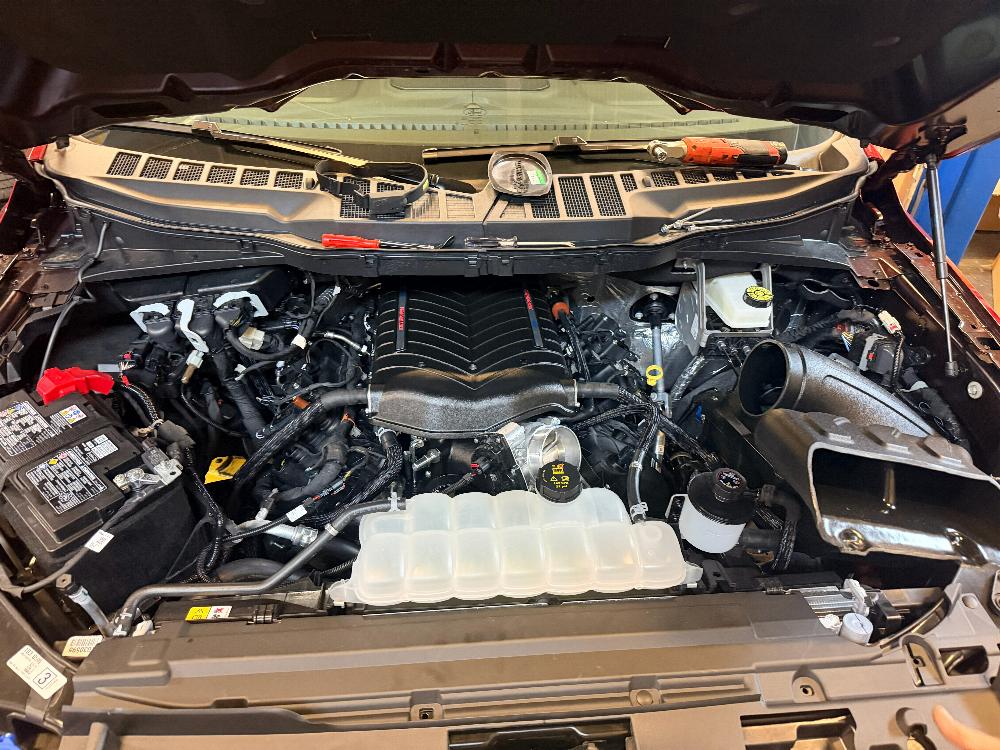
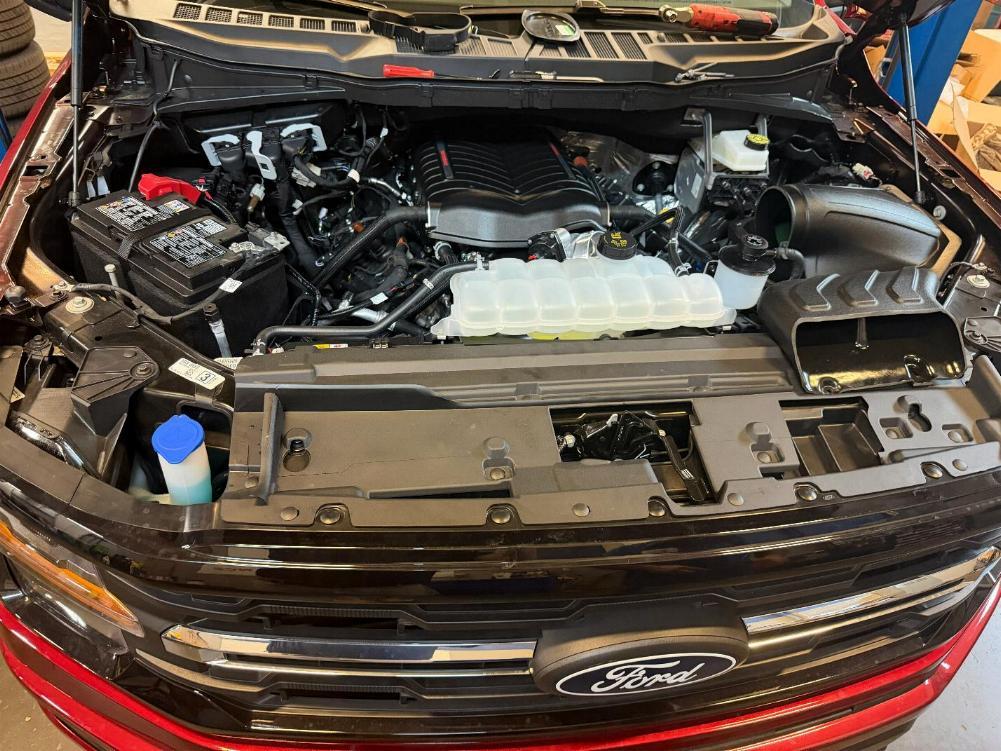
Here is a cutaway view of the Whipple. The air is drawn in through
the upper section, pulled through the cooler coil, them the dual impellers
compressor forces the air into the cylinders.
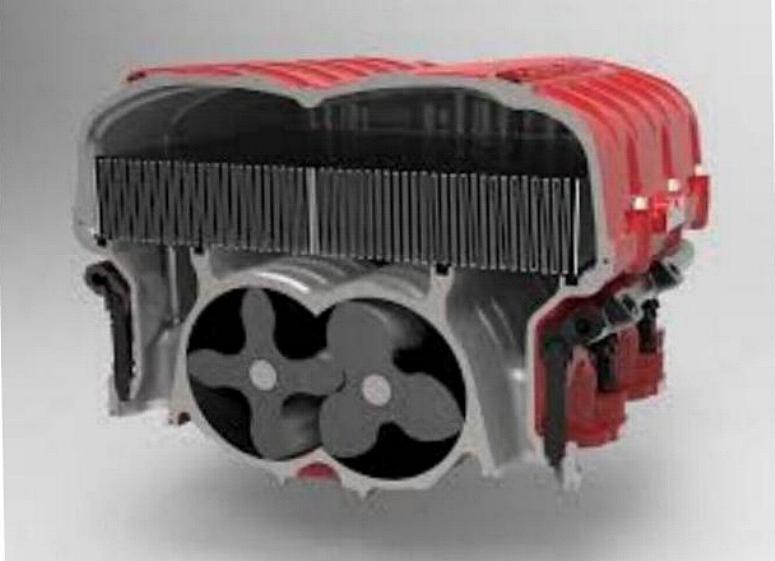
The Whipple is the Gen 6 twin screw Supercharger and associated
supporting parts. This has the latest design impellers, and the
intercooler has been upgraded also. This will be 700 HP,
and fully covered under Ford Motor Company and WhippleS Warranty.
I will leave it as programed from Ford Performance for at least 6 months, to make sure there are no factory defects, then turn it up.
The engine and transmission both run too hot when driven hard with the Whipple. There are several things I will do to keep the temperature in both, in the desirable range.
First, I had a 170 deg engine thermostat installed. This will allow
the water to begin to circulate at 180 and stay flowing unless it gets below 170f.
The shutters are being controlled by the Whipple software,
and stay open if the engine is running, unless the weather is cold outside, then they close to
speed engine warmup, then revert to full time open position, and the engine
fan set to operate when engine temp is above 190 F. This will be adjusted as
needed to keep both engine and transmission temps between 190 and 210F. This
will keep everything in a safe range, but also allow them to get hot enough
to remove moisture. The 170 t-stat is a Big Improvement.
I will be adding a oversize aluminum
pan to the transmission, with a drain plug. 2nd, will be a large cooler,
with its own fan, and a external inline oil filter to better keep the trans
fluid clean and cool, and also provide easy servicing. Next, I will be
replacing the little dip stick with a Lokar flex tube
dipstick and filler tube. The last thing is replacing the stock
thermostat, with a 170-180 degree one. This is being done in a
attempt to keep the engine and transmission temp below 210
degrees F and clean. If no boost were to be used, the transmission
cooler could be added in front of the radiator. With boost, this would
add unwanted heat to the boost cooler system. Mounting a Transmission
cooler behind the lower opening is a very good option, since the boost
cooler is above this area. If a front license plate is required, mount
it to the side
When the Ford Performance/Whipple supercharger is installed on the
F-150, the Active Grille Shutters are typically commanded to stay in
the 100% open position to maximize airflow and prevent dangerous under-
hood heat buildup.The factory tune relies on the shutters to improve
aerodynamics and warm up the engine. The Ford Performance calibration
alters this operating range:Locked Open: The shutters are forced to
remain completely open continuously, neutralizing the standard
closed-position operations used for highway cruising and fast cold-
weather warmups.No Closed-Loop Cycling: Instead of actively closing to
manage aerodynamics, the system prioritizes cooling the massive
intercooler and supercharger core. Action Required: Many installers
will remove the shutter blades entirely while leaving the electric
actuator plugged in, preventing a check engine light or diagnostic
trouble codes (DTCs) from triggering.For exact calibration parameters
or installation details, you can reference the Ford Performance Parts
or the Whipple Superchargers product documentation.
NOTE
The 10R80 is a fairly large complex transmission. It is made of mostly aluminum, and has very little steel parts in it. When a transmission shifts through 10 gears, verses 3 or 4 gears of older transmissions, there are a lot of parts moving. This causes small particles of mostly aluminum to rub. drop off, and settle in the bottom of the transmission. Magnets in the bottom will hold any steel particles, but the aluminum just builds up into a sludge in the bottom of the transmission..This needs to be cleaned out. Having the transmission serviced with a power flush stirs this stuff up, and sends it all through the valve body. Disaster.
Since they no longer put a drain in the torque converters or pans, I am doing the above to be able to easily service the transmission on a regular basis. These cost as much as a regular engine to repair or replace, so extra steps are worth the effort,
In the normal operation of a automatic transmission, the torque converter and cooling lines are full. While the engine is off, a lot of this drains back into the pan, and over fills the pan. For this reason, the lokar dip stick TUBE must be screwed in while it is running, but not hot. After it is screwed in, and tight, you can secure the top of the tube in a easy to access location and insert the dip stick into it.
My plans, while the trans is at proper level, I will install the Lokar dip stick and tube, and note the cold level. Start and run till hot and note the Hot Level on the Lokar dip stick. Now I should have good starting data for the new deep pan install.
My plan at 20,000 miles, drain the transmission, clean the
pan and replace the internal filter, replace the external oil
filter (pre fill), Add fluid through lokar dipstick tube to
cold level. with the parking brake on, Fire it up and place
transmission in each gear, then shut it off and check that
it is at the cold level. Once it is in the cold safe level,
you can run till hot and recheck and add if needed.
My next target is the exhaust. Heavy use of boost on these
raises the temp of the converters. It they get too hot, they
are destroyed and alter the A/F readings. This has been known to
have destroyed several engines. The goal is to find the best
work around for mine, new Y pipe with special cats, new Off Road
Y pipe with no cats, gut the cats? Decisions decisions..
| My Hot Rod Thunderbird | My NEW Guestbook |
| My Other Hobby, Ham Radio |
| My Time In The Army |
